Directors, Do You have a Shareholder Engagement Program?

Directors, Do You have a Shareholder Engagement Program? With the passage of the Dodd-Frank Wall Street Reform and Consumer Protection Act, power has shifted to shareholders.  The 2011 proxy season is a game-changer as the rules require boards to seek shareholder support for compensation programs and even directorship candidates.

Directors, do you have a shareholder engagement program? Have you reviewed and assessed the board capacity for shareholder communication and dialogue?  Have you discussed how you will handle increased dialogue and interaction with shareholders?

The board world has changed.  Shareholders have greater power to influence board composition and executive pay based on the provisions of Dodd-Frank for proxy access, say on pay, limits on broker discretionary voting.

By remaining silent, boards increase the power of proxy advisors as the only independent guidance to shareholders on how to vote.  Boards increasingly need to engage with key shareholders, initiating communication and dialogue.

Get started now.

Directors Face a Changed World

Directors Face a Changed WorldAs Ira Millstein told directors on a recent NACD/Weil webinar on the Dodd-Frank Act, they must align with the owners of the company, the shareholders. He advised directors “not to make believe” or “live in a dream world” because governance power has already shifted to shareholders and it’s not going to be the way it was ever again.

The context for this change is the “new normal”, a term coined by economists that characterizes an environment of high unemployment, slow growth, consumer distress, overly careful investors and long-term owners who will seek growth where they can find it. This is a challenging environment in which to serve as a director.

Millstein sees the changes wrought by the Dodd-Frank Act as tectonic, making Sarbanes-Oxley look like child’s play.

But directors shouldn’t wait until the final rules of the Act are written.  Rather, they should engage with their shareholders now.  He cited the fulsome letter that the Prudential board wrote in the proxy, introducing their thoughts on compensation. While Millstein believes directors should know what their shareholders think, he doesn’t believe that they have to agree with them.  “Explain why the board has a different view.  That seems to me perfectly rational.”

He noted that there was a huge amount to do in communication with shareholders and boards should get ready to engage. Now.

Opportunity for the HP Board

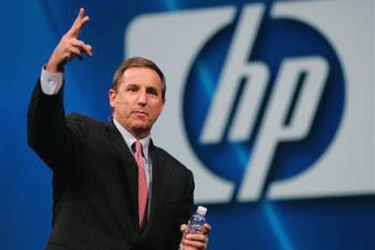
Mark HurdAfter ousting HP CEO Mark Hurd for his indiscretion with a marketing contractor, falsifying expenses to conceal his relationship, and thereby failing to live up to the HP code of conduct, the Hewlett-Packard board has a chance to demonstrate to shareholders and the public that they intend to revive and enforce “tone at the top” of the storied Silicon Valley company.

Hurd and his predecessor, Carly Fiorina, who was also fired by the board, brought new meaning to the HP Way.  Certainly, it was a different company than when brilliant engineers and founders William Hewlett and David Packard were at work in the company. Their instinctive style of “managing by walking around” would be almost impossible to replicate. Fiorina, ambitious and eager to make her mark aggressively drove the Compaq merger while a subplot revealed that the HP board had its own problems as chairwoman Patricia Dunn stepped down facing felony charges. After the scandal, Hurd’s success was welcomed even if he took a cost-cutting and execution style approach to management.

With Hurd occupying both the Chairman and CEO role, Robert Ryan has served as lead director since 2008.  But it has been Mark Andreessen handling the Hurd resignation.  As the founder of another storied company, Andreessen has the gravitas to insist on a leader that not only performs well but behaves well.

Andreessen is given to greater transparency as well as sensitivity to culture and a larger group of stakeholders including investors, employees and the larger public given that he is an under-40 wildly successful entrepreneur now leading a company that provides a platform for social networking websites.

Andreessen is the spark that HP needs at this time, setting the tone and communicating what the board is doing on behalf of shareholders and stakeholders.